Interior and exterior trim is dominated by non-metallic materials, so testing focuses on material properties, durability and ageing behaviour. Problems in this category usually trace back to batch consistency at the material supplier.
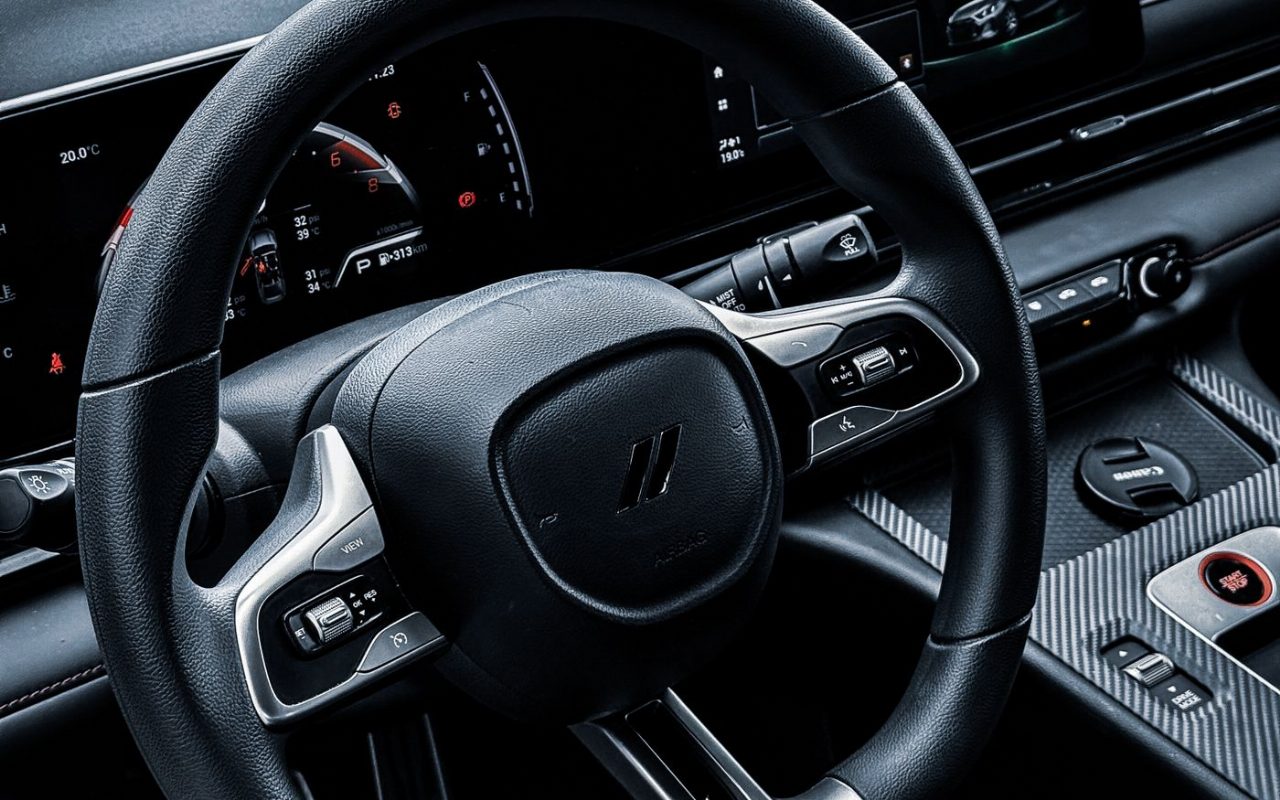
Typical products
- Bumpers
- Seat assemblies
- Instrument panels
- Interior trim strips
- Seals
- Headliners
- Door trim panels
Test scope by category
- Material properties: tensile, flexural, impact, hardness, melt flow index.
- Ageing: photo-ageing, thermal ageing and damp heat ageing, with property retention evaluated.
- Flammability: UL94 rating, glow-wire, cone calorimetry.
- Environmental: high and low temperature, temperature cycling, damp heat, chemical media resistance.
- VOC and odour: a key admission item for cabin materials.
Common failure modes
- Low-temperature brittle fracture: the material was not selected for low-temperature service.
- Discolouration and chalking after photo-ageing.
- Flammability rating not met, especially for foam materials.
- VOC or odour above limits, failing OEM admission.
- Batch-to-batch property variation causing assembly problems.
Material-side management advice
- Bring key parameters (ash content, moisture, melt index) into incoming inspection.
- Require batch-consistency evidence and third-party test reports from suppliers.
- State the property-retention requirement explicitly in the purchasing contract.
Service notes
Our laboratory holds both CMA and CNAS accreditation, covers about 10,000 m2 and runs more than 500 sets of equipment. All testing is carried out in our own laboratories — nothing is subcontracted. Plant visits and on-site witnessed testing are welcome.
Scheduling follows the actual project pipeline. You can state your preferred lead time when you submit samples; we will confirm a feasible plan against current capacity and keep you updated at each milestone.