
  1. Home
  2. Testing Services
  3. Products We Test
  4. Automotive Electronic Control Units (ECU)

Automotive Electronic Control Units (ECU)

EMC and environmental reliability testing for engine, body and domain controllers — emission and immunity per CISPR 25 / ISO 11452, climatic and vibration per ISO 16750.

In-vehicle electronic control units (ECU / controllers) are the core of automotive electronics, handling computation and control tasks across the vehicle. Domain controllers, T-Boxes, body controllers and dash cams all fall into this category.
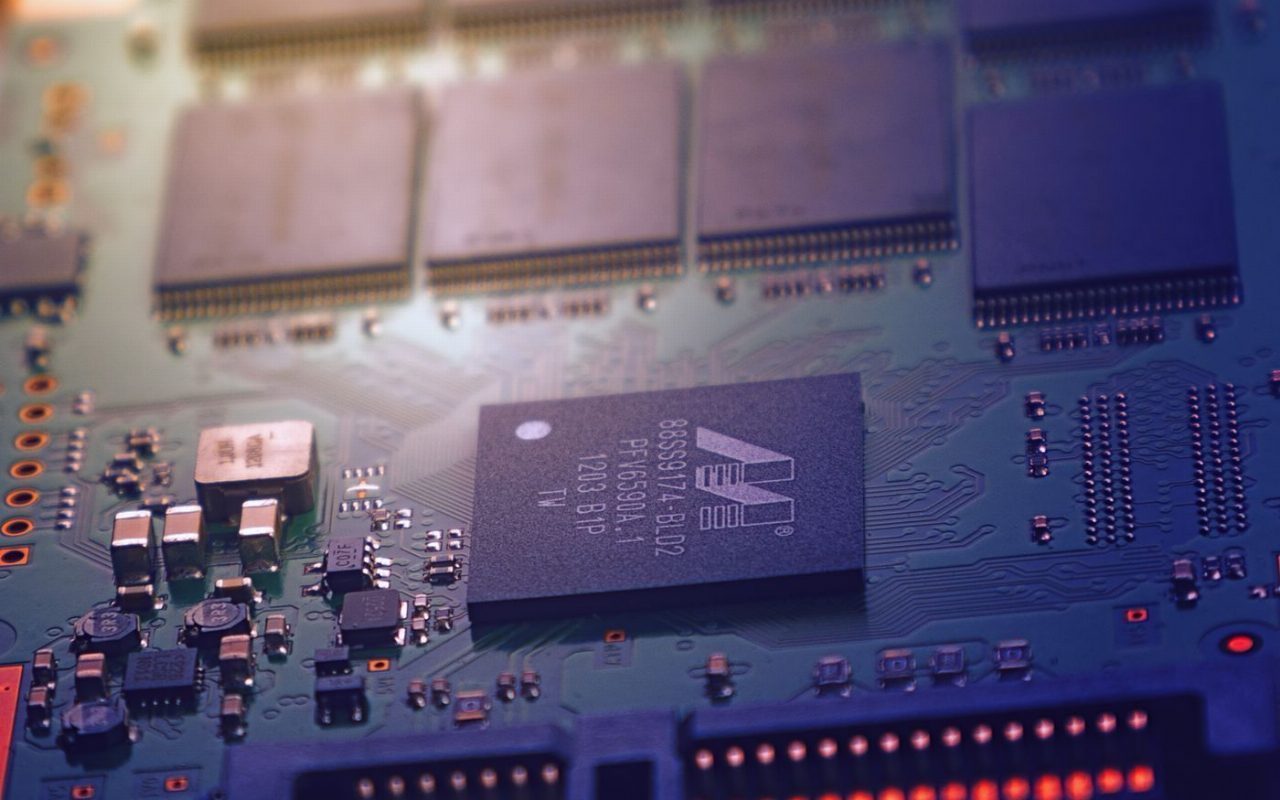
Automotive ECU mounted on a test bench
Automotive ECU under test

Typical products

  • Domain controllers (cockpit, ADAS and body domains)
  • T-Box / vehicle gateway
  • Body control module (BCM)
  • IGB power and distribution box
  • Dash cam
  • Engine ECU
  • Transmission control unit (TCU)

Common test requirements

  • Full EMC scope: emission and immunity — the most frequent problem area for in-vehicle electronics.
  • High and low temperature plus temperature cycling: verifies the thermal margin of the MCU and peripheral devices.
  • Vibration and mechanical shock: verifies PCB solder joints and connectors under road excitation.
  • Ingress protection: sealed ECUs need an IP protection assessment.
  • Power-related: load dump, reverse polarity, overvoltage and other electrical loads.

Typical failure modes

  • Intermittent MCU resets after temperature cycling.
  • Rising connector contact resistance causing CAN frame loss.
  • Water ingress into the housing corroding the PCB.
  • ADC sampling drift after vibration.
  • Flash data corruption after electrical transients.

Selection guidance

  • Confirm the mounting location — it directly sets the vibration and temperature severity class.
  • Confirm the vehicle type (passenger car, heavy truck, construction vehicle); excitation levels differ widely.
  • Confirm the functional safety level required, which determines whether FMVSS-related verification is needed.
  • Confirm the OEM validation requirements — they differ markedly between manufacturers.

Service notes

Our laboratory holds both CMA and CNAS accreditation, covers about 10,000 m2 and runs more than 500 sets of equipment. All testing is carried out in our own laboratories — nothing is subcontracted. Plant visits and on-site witnessed testing are welcome.

Scheduling follows the actual project pipeline. You can state your preferred lead time when you submit samples; we will confirm a feasible plan against current capacity and keep you updated at each milestone.

Test Matrix

Test items and typical conditions

For in-vehicle electronic units (ECU, domain controller, T-BOX, dash cam) the usual project mix is EMC and electrical loads as the base, with climatic and vibration scope added according to mounting location.

Test dimension Typical items Common condition ranges Reference standard
EMC emission Radiated emission RE, conducted emission CE 30–1000 MHz typical band; 0.15–108 MHz on the supply harness CISPR 25
EMC immunity Radiated immunity RI, conducted immunity CI Bulk current injection commonly 20–400 MHz ISO 11452
Electrostatic discharge Contact discharge, air discharge ±4 kV contact / ±8 kV air typical; per the customer specification ISO 10605
Electrical loads Overvoltage, reverse polarity, voltage drop and recovery, short circuit 12 V systems commonly tested at the 18 V overvoltage step GB/T 28046
Climatic Temperature cycling, damp heat, cold storage Commonly −40 ℃ to +85 ℃; severity per mounting location ISO 16750
Mechanical Random vibration, mechanical shock Vibration profile graded by mounting location ISO 16750

Conditions and limits above are typical ranges for reference. The actual test levels, sample quantity and acceptance criteria follow the mutually confirmed test plan and standard version. Source: the clauses of each referenced standard.

Have a testing requirement? Send us your product details

Tell us the product model and test requirements. Our engineers will map out the test plan, the applicable standards and the item combination, and provide a quotation reference. The more specific the request, the sharper the answer.

  • Free scoping of the test plan and standards
  • Pre-scan testing during R&D to cut rework cost
  • On-site visits and witnessed testing supported
  • Scheduling per project, with progress updates at each milestone

Received — we will contact you shortly and follow up with a test plan and quotation.

By submitting you agree to be contacted by phone or email. Scheduling follows the project’s actual availability and is subject to mutual confirmation.

13510907826