An automotive display is a composite of assembly, optical and electronic parts: cover glass, display module, touch layer, backlight, control board and FPC connections. With so many failure modes, the test plan has to be laid out systematically.
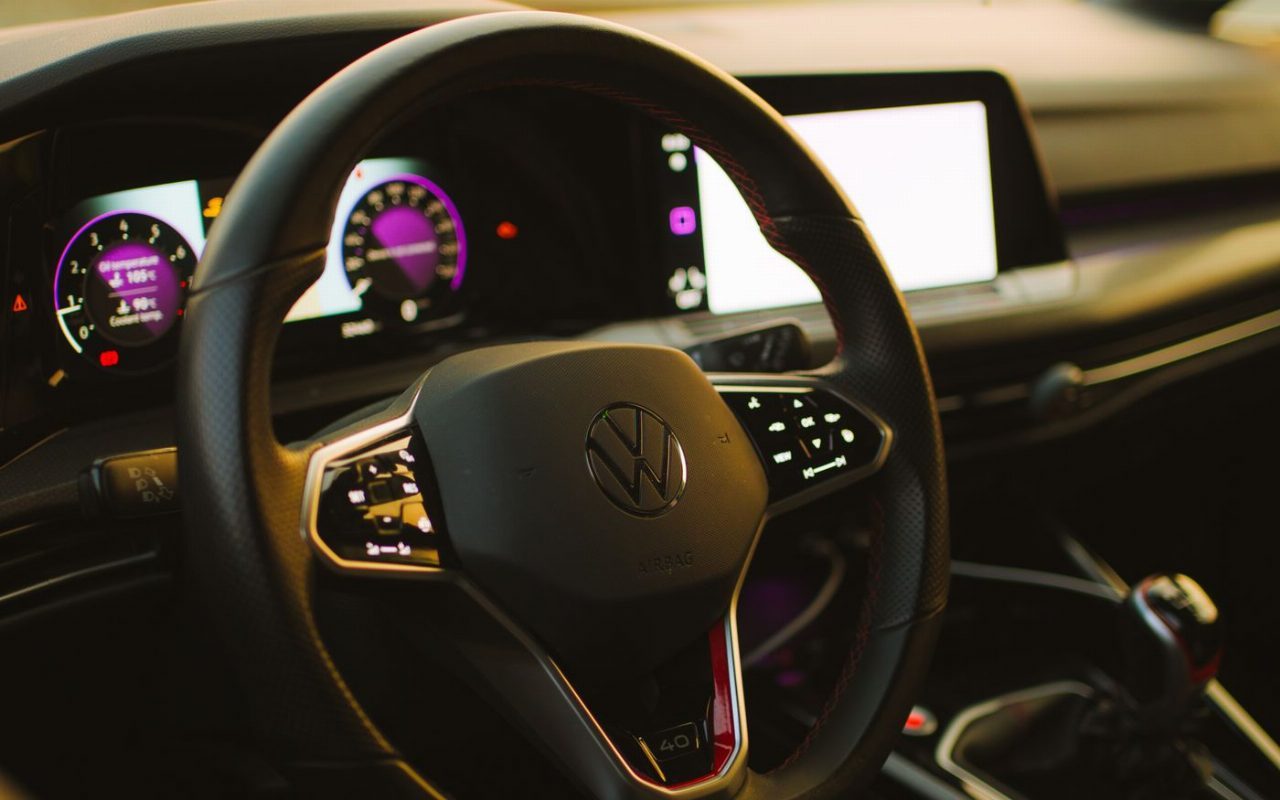
Typical products
- Centre console display
- Instrument cluster display
- Full-width tail-light display
- Camera-monitor system display
- Head-up display (HUD)
- Passenger entertainment display
Test scope by category
- Mechanical and climatic: high and low temperature, temperature cycling, damp heat, vibration, shock, ingress protection, solar ageing.
- Display optics: luminance, uniformity, chromaticity coordinates, contrast ratio, response time, viewing angle, dead pixels, Mura.
- EMC and electrical: radiated emission, conducted emission, immunity, ESD, transients.
- Connection reliability: FPC bend life, connector mating and locking.
Common failure modes
- Cover glass shattering from thermal shock after prolonged solar exposure.
- Abnormal LCD response or colour shift at low temperature.
- FPC connector detachment or poor contact after vibration.
- Internal fogging caused by moisture ingress.
- Backlight luminance decay and colour shift after temperature cycling.
- Radiated emission above the limit (backlight drivers and touch ICs are common sources).
Suggested test sequence
- EMC pre-compliance first, so interference problems surface early in development.
- Then high and low temperature and temperature cycling, covering temperature-related failures.
- Then vibration and shock, covering mechanical load failures.
- Then damp heat and ingress protection.
- Finally an optical performance check-out, to evaluate overall behaviour.
Service notes
Our laboratory holds both CMA and CNAS accreditation, covers about 10,000 m2 and runs more than 500 sets of equipment. All testing is carried out in our own laboratories — nothing is subcontracted. Plant visits and on-site witnessed testing are welcome.
Scheduling follows the actual project pipeline. You can state your preferred lead time when you submit samples; we will confirm a feasible plan against current capacity and keep you updated at each milestone.