AEC-Q100 covers automotive-grade integrated circuits and AEC-Q101 automotive-grade discrete semiconductors. They specify accelerated life test methods at component level and are the basis of automotive-grade component qualification.
Standard positioning
AEC-Q and ISO 16750 sit at different levels: ISO 16750 verifies whether electrical and electronic equipment works in a vehicle, while AEC-Q verifies whether the component itself can withstand the automotive environment. OEMs usually require suppliers to provide AEC-Q qualified components.
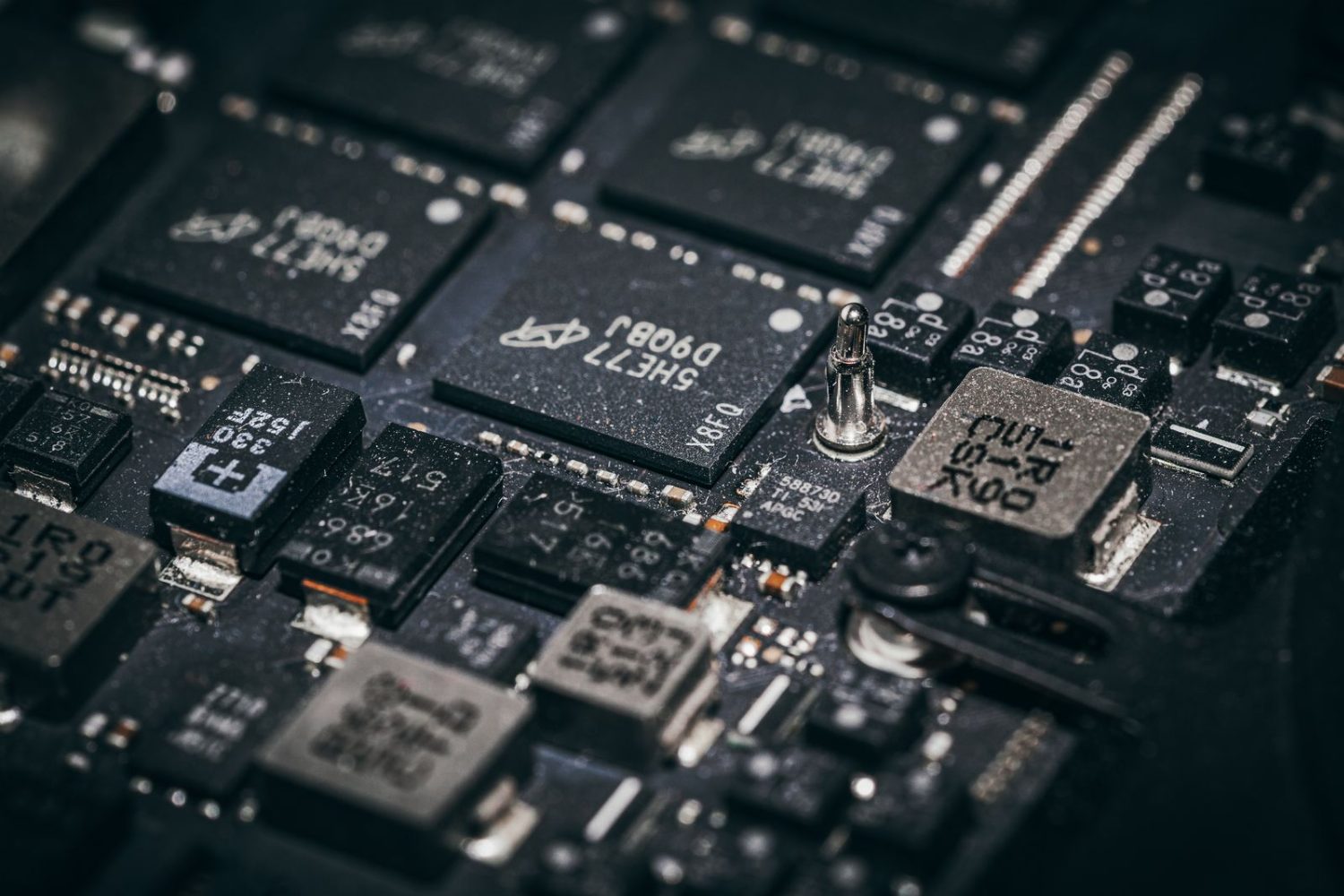 AEC-Q100 / Q101 applications" loading="lazy">
Scope
- AEC-Q100: integrated circuits (MCU, logic, memory, analogue).
- AEC-Q101: discrete semiconductors (diodes, transistors, MOSFETs, IGBTs).
- AEC-Q200: passive components (resistors, capacitors, inductors).
- Applies to: component manufacturers, and OEMs who need to verify that the components they select meet automotive requirements.
Structure and content
Main AEC-Q100 test items
- Accelerated life: high-temperature operating life (HTOL), temperature cycling (TC), power cycling (PC).
- Environmental stress: damp heat (THB/THU), HAST, high temperature and humidity with bias.
- Mechanical stress: board-level stress, drop, lead strength.
- Electrical stress: ESD withstand (CDM/HBM), latch-up, soft error.
Main AEC-Q101 test items
- Similar to Q100, adjusted for the package and lead characteristics of discrete devices.
- Includes power cycling, thermal resistance measurement, reverse voltage and gate stress.
Acceptance
- Acceptance follows the AEC-Q failure criteria — zero failures to pass.
- Sample size depends on production volume; a failure requires expanded sampling.
Common non-conformities
- Substituting non-automotive-grade components — the most common reason for rejection in an OEM audit.
- Solder joint cracking during temperature cycling (thermal expansion mismatch between package and PCB).
- Insulation breakdown or package delamination after damp heat.
- Insufficient ESD withstand level — not selected to the CDM class required.
Relationship to other standards
Level relative to ISO 16750
AEC-Q is component level and ISO 16750 is equipment level; they complement rather than replace each other.
With PCB
PCB reliability follows IPC-6012DA / AEC-Q material requirements and is used alongside this standard.
Use in real projects
OEMs generally do not repeat AEC-Q testing; they require suppliers to provide the component's AEC-Q qualification report. The laboratory can carry out component-level verification and selection assessment.
Service notes
The laboratory holds both CMA and CNAS accreditations, with approximately 10,000 m² of space and 500+ instruments. All testing is completed in our own laboratories — no subcontracting. On-site visits and witnessed testing are supported.
Testing is scheduled per project. When submitting samples, tell us your expected timeline; we will confirm a feasible plan against current availability and keep you updated at each milestone.