VOC and odour testing evaluates the volatile organic compound release and odour intensity of cabin materials, and is a significant gate for OEM material approval. The cabin is enclosed and poorly ventilated, so accumulation of volatiles directly affects the driving experience and health concerns.
Test types
Fogging test: measures how much volatiles condense into a fog layer on a cool surface under specified temperature and humidity, reflecting the tendency to fog the windscreen.
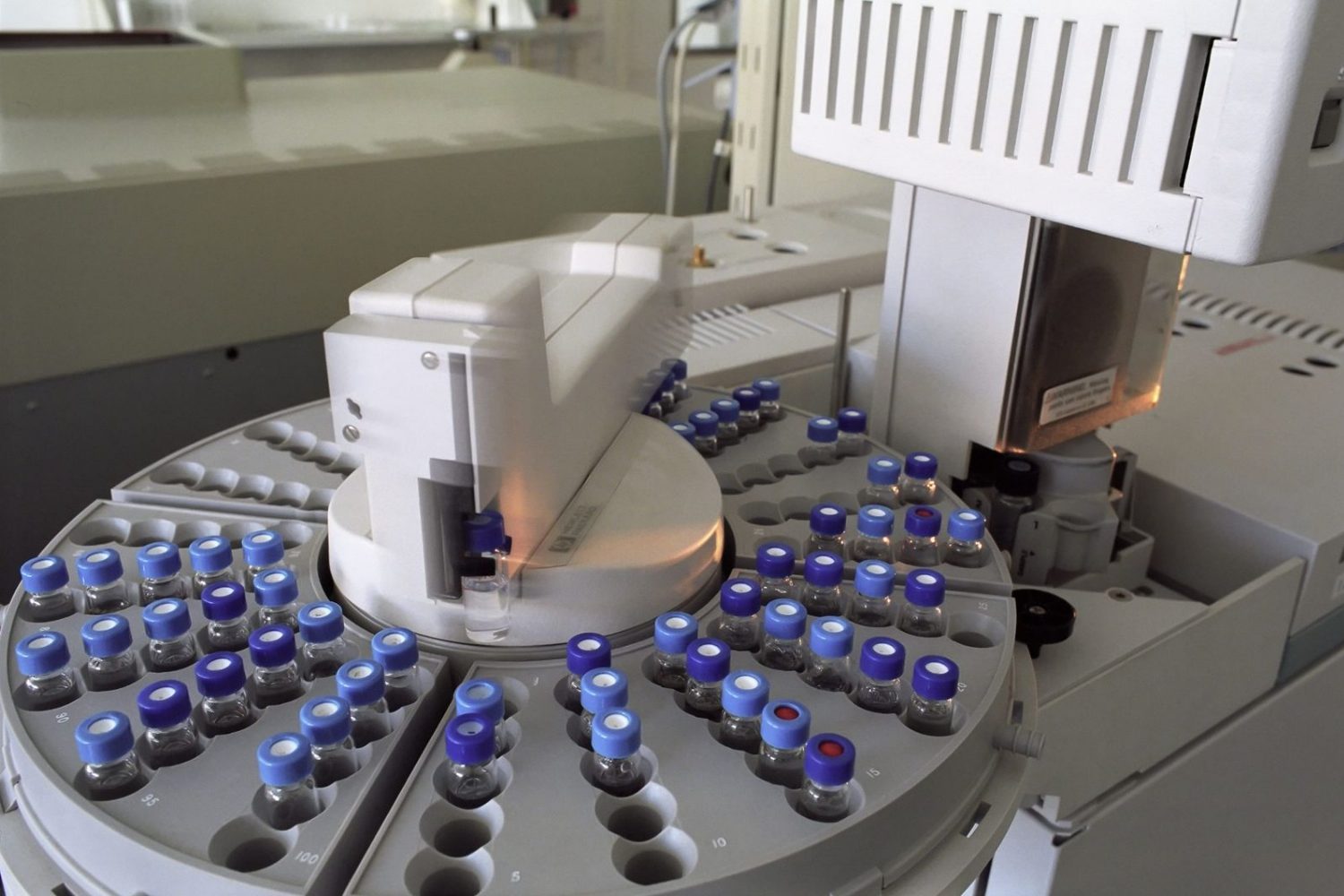
VOC quantification: measures total volatile organic compounds and the content of specific substances such as benzene series and aldehydes and ketones.
Odour intensity test: sensory evaluation of odour intensity, commonly by triangle odour testing.
Odour character assessment: distinguishes the type of odour source, such as burnt, irritating or chemical.
Standard references
ISO 12219 series: the method specification for odour and VOC testing of passenger car interior materials, covering fogging, odour intensity and FID/VOC.
VDA series: standards of the German automotive industry association, widely adopted by Volkswagen, BMW and Daimler.
OEM corporate standards: usually stricter than national standards, with separate limits for specific substances.
Common exceedances and their sources
Formaldehyde → resins, adhesives, leather treatment agents.
Benzene series → residues in some adhesives and solvents.
TVOC total volatile organic compounds → accumulated from plastics, rubber, paint and glue.
Amines (methylamine, dimethylamine and similar) → polyurethane foam and coatings.
Odour sources: processing residues in plastics, solvents in glue, machining oils on metal, rust preventives.
Improvement directions on the material side
Select low-VOC or solvent-free material systems.
Optimise the formulation to reduce free formaldehyde and amine content.
Improve the production process to lower residual solvent.
Agree specific limits with suppliers and write the standard into the purchasing contract.
Add a volatile-release storage period after moulding so the material outgasses before assembly.
Frequently asked questions
Are VOC and odour the same thing?
No. VOC is a quantitative measure of specific substance content; odour is a sensory measure of subjective intensity. A high-VOC material does not necessarily smell strong (it may be low-molecular-weight odourless substances), and a strong-smelling material may not have high VOC. They have to be assessed separately.
What odour grade does an OEM require?
It depends on the specific OEM corporate standard. Most require a particular odour intensity grade (for example 3.0 or lower), with different requirements for parts in different zones. Follow the target customer standard and confirm the version before submitting samples.
Service notes
Our laboratory holds both CMA and CNAS accreditation, covers about 10,000 m2 and runs more than 500 sets of equipment. All testing is carried out in our own laboratories — nothing is subcontracted. Plant visits and on-site witnessed testing are welcome.
Scheduling follows the actual project pipeline. You can state your preferred lead time when you submit samples; we will confirm a feasible plan against current capacity and keep you updated at each milestone. Once the report is issued we send the electronic copy; corrective-action advice can be arranged separately.