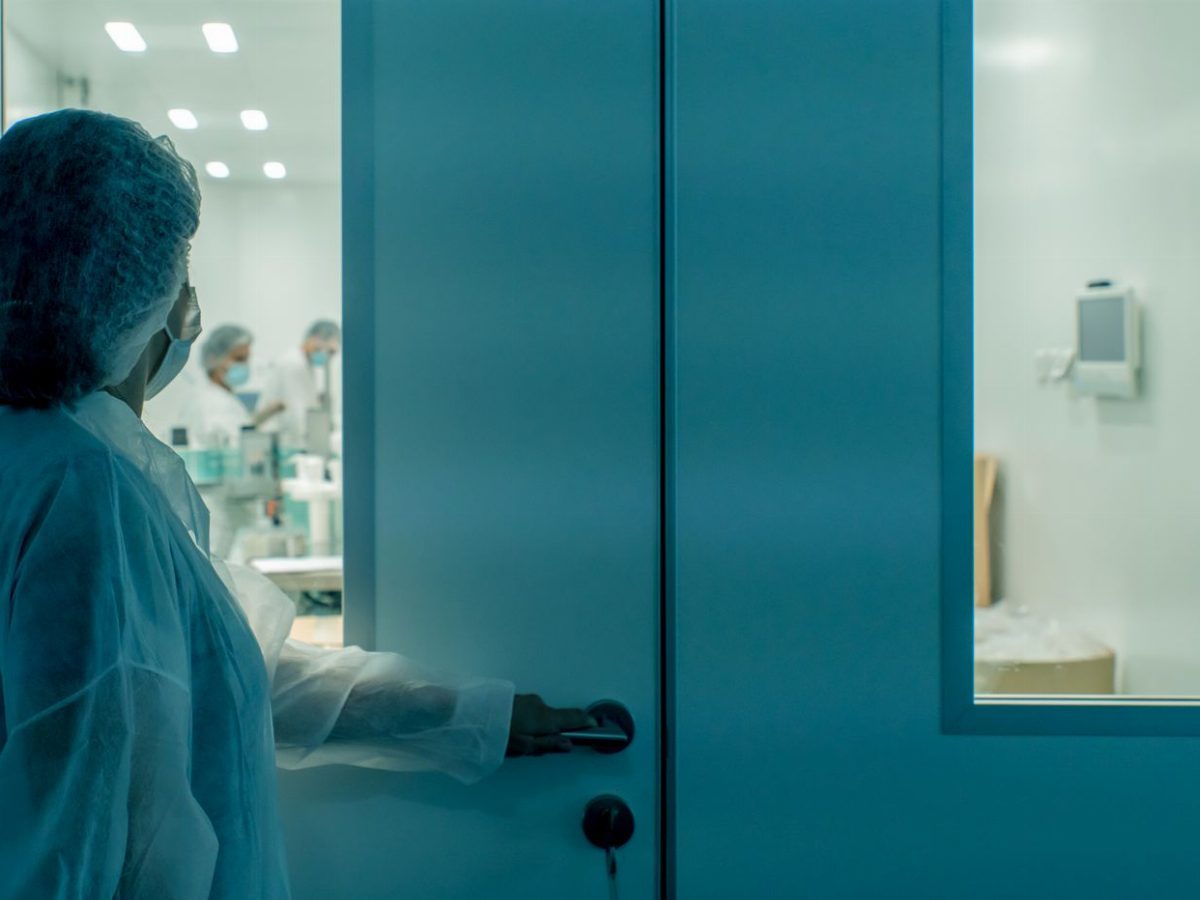


TMC LAB is an independent third-party testing laboratory with CMA (China Inspection Body and Laboratory Mandatory Approval) and CNAS (laboratory accreditation). Approximately 10,000 m² with 500+ instruments, organized into four test zones: EMC, environmental reliability, materials & chemistry, and failure analysis.
What the four zones do
The EMC zone houses anechoic and shielded chambers for radiated and conducted emission and immunity testing. The reliability zone has climatic chambers, shakers and salt-spray cabinets for thermal cycling, damp heat, vibration and shock, and corrosion items. The materials & chemistry zone covers VOC and odor, restricted substances, mechanical properties and flame retardancy. The failure analysis zone provides X-ray, cross-sectioning and SEM/EDS.
Why the four zones sit together
When an EMC test shows an anomaly, the same sample can move straight into failure analysis to locate the root cause; samples after environmental testing are sectioned by the same engineers. One sample never circulates between institutions—less information loss, no duplicate sampling. This is a linkage single-specialty labs rarely achieve.
All zones can be visited by appointment, with witnessed testing available. Contact an engineer to arrange.
How report validity maps to your scenario
Accreditation decides whether a report can be used. Domestic acceptance, tenders and quality disputes call for CMA reports with legal effect. Export and multinational clients recognize CNAS reports, accredited to ISO/IEC 17025 with international mutual recognition. Multi-country conversion for electrotechnical products uses CB reports—one dataset, many national certificates. Holding all three means the same sample gets a report with the right validity for domestic and overseas use, without resubmitting for each purpose.
Capability coverage and standard families
The four zones map to the standard families common in automotive and electrical/electronic products: environmental and electrical loads per GB/T 28046 / ISO 16750; German OEM electrical loads per LV 124; EMC per CISPR 25 / ISO 11452; EU access per ECE R10; component reliability per the AEC-Q series. Each standard page lists common test items and typical condition levels—a good starting point for scoping discussions.
Talk directly to engineers
Quotation and scoping are handled by the engineers themselves: when abnormal data appears, the person who ran the test is the person explaining it. Plan, schedule, report and remediation support are followed by the same team, cutting the losses of relaying information between silos. On-site visits and witnessed testing are supported—contact an engineer to arrange.