Key takeaways
Exploratory testing is for finding problems, formal testing is for producing proof. Exploratory work does not aim to cover every item; it targets the design risk points, which keeps the cost of trial and error low. Formal testing runs the full set to the customer or regulatory requirement and issues a report usable for acceptance. Exploratory during development and formal before volume production is the cheaper rhythm.
Exploratory development testing and formal testing have fundamentally different goals: the first finds problems, the second produces evidence. That difference drives everything else — item selection, depth of execution and what the report is for.
1. The essential difference
| Exploratory development testing | Formal testing | |
|---|---|---|
| Purpose | Identify design risk points, verify corrective action | Issue a report usable for customer acceptance or regulatory certification |
| Item selection | Targeted at high-risk items, coverage is partial | Complete, per the customer requirement or the standard |
| Sample quantity | Usually small, engineering prototypes acceptable | The sample size the standard specifies |
| Acceptance | Engineering judgement, focused on trends and risk | Strict pass/fail against the standard limits |
| Report use | Internal technical reference, usually not shared | OEM validation, customer delivery, regulatory certification |
2. Why explore during development
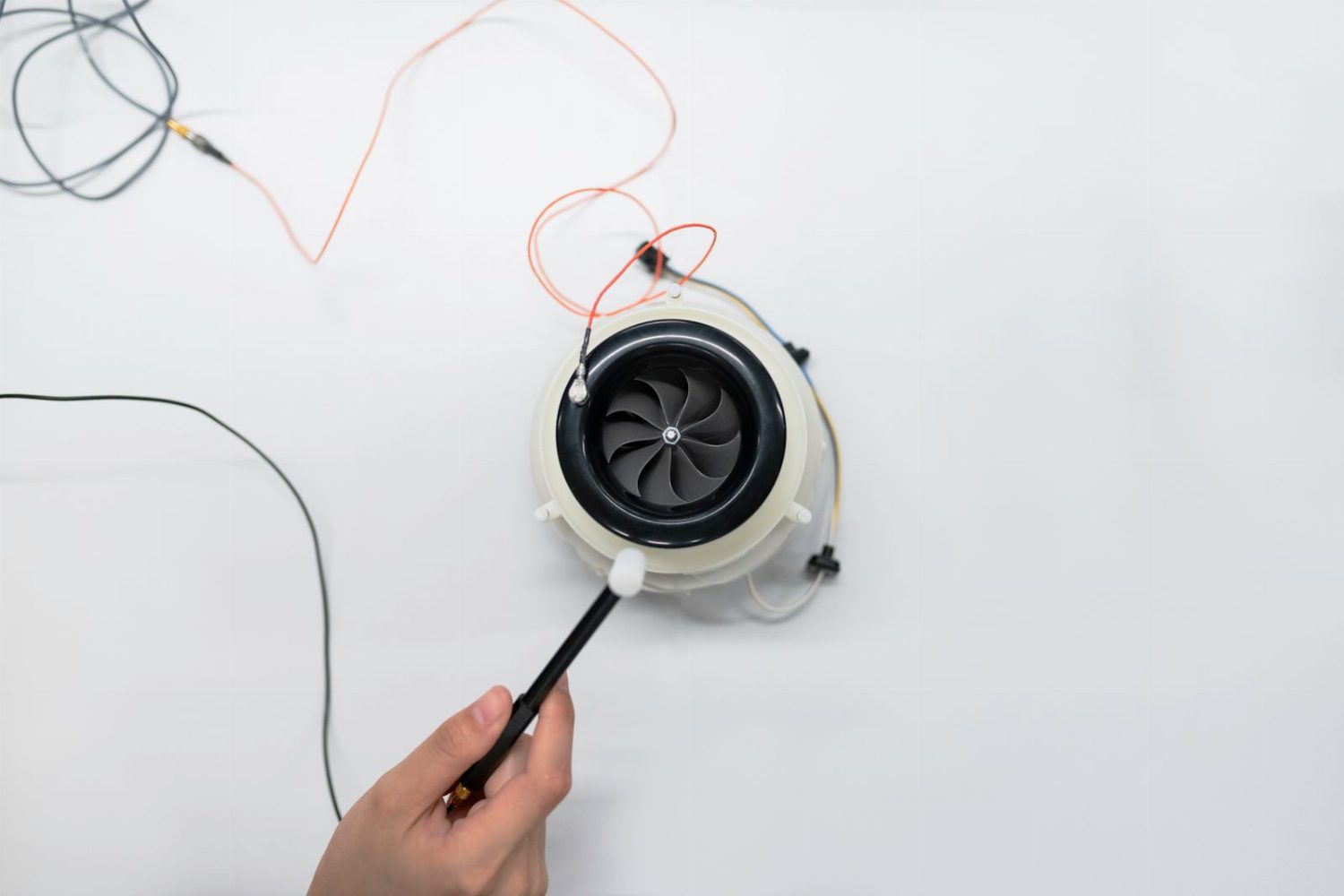
The core reason is that the later a problem surfaces, the more it costs to fix. An EMC problem fixed at the PCB layout stage may be a matter of rerouting a few traces; found after volume production, it can mean a board respin, a tooling change and re-certification — an order of magnitude apart.
The typical cost escalation: found at EVT — change the PCB, low cost; found at SOP — scrap the PCB inventory, high cost; reported by the customer after launch — recall and warranty claims, cost out of control.
3. How to run exploratory testing
- Come with questions: telling the engineer "this revision worries me on these specific points" is far more efficient than a generic "run an EMC test"
- Bring engineering prototypes: volume parts are not needed, but state how the prototype differs structurally from the production part
- Measure as you go: ask for the spectrum to be watched during the test, so key frequencies can be tied back to design parameters
- Get corrective direction: ask the laboratory for corrective guidance based on the measured data, not just "it failed"
- Re-test: run a targeted re-test after the change to confirm the improvement
4. When formal testing is mandatory
These cases require formal testing and cannot be replaced by exploratory work: validation reports an OEM specifies, regulatory certification (ECE R10, GB 30512 and similar), customer acceptance, and the compliance documents needed for export to the EU.
Formal testing requires the sample state, sample quantity, test procedure and acceptance criteria all to comply strictly with the standard. Any item out of compliance gets the report returned.
5. The recommended rhythm
EVT: EMC exploratory round plus the key environmental items (temperature, vibration) to verify design margin.
DVT: the full test set to the customer requirement, covering every specified item.
Before volume production: formal reports to the regulatory and OEM requirements.
This rhythm protects the development investment while meeting delivery and compliance needs. Testing is scheduled according to the project, and discussing each stage in advance makes a feasible plan much easier to arrange.